

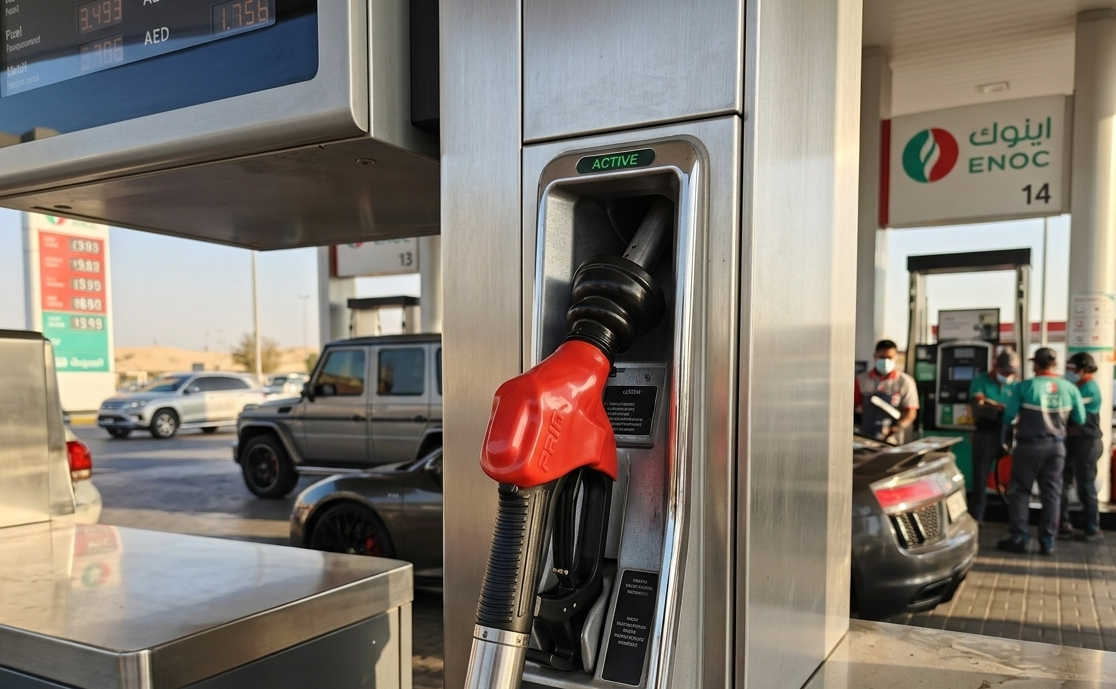
Automatic Fuel Nozzle vs. Vapor Recovery: A Fuel Dispenser Nozzle Guide
Choosing an automatic fuel nozzle starts with understanding the dispenser it will serve. A fuel dispenser nozzle must match the fuel, hose connections, operating conditions, and any vapor recovery equipment already installed. For station operators and equipment distributors, understanding these requirements can prevent an unsuitable replacement from reaching the forecourt.
Consider a maintenance project in which a distributor needs to replace worn gasoline nozzles. Two replacement options look similar, but one has a dedicated vapor passage. Which should the distributor order?
The following illustrative case explains the selection process.
What Does an Automatic Fuel Nozzle Do?
An automatic fuel nozzle controls fuel delivery and shuts off when fuel covers the sensing port near the spout tip. In common designs, a Venturi-based sensing mechanism triggers this shut-off.
This function helps limit overfilling during normal operation. Correct nozzle positioning and operation within the manufacturer’s specified flow range remain essential. The Petroleum Equipment Institute explains the underlying mechanism in its automatic nozzle reference.
Conventional automatic nozzles are available for gasoline and diesel applications, depending on the model’s approved fuel compatibility. Their selection requires more than matching the inlet diameter: working pressure, flow range, spout dimensions, seals, and connection specifications also matter.
A conventional model does not provide a dedicated route for returning displaced gasoline vapor.
How Does a Vapor Recovery Nozzle Differ?
A vapor recovery nozzle adds a vapor collection passage to the dispensing assembly. It can also include automatic shut-off, so the two product descriptions overlap: a vapor recovery nozzle can itself be an automatic fuel nozzle.
During gasoline refueling, incoming liquid displaces vapor from the vehicle tank. A compatible vapor recovery system collects this vapor and routes it through the recovery circuit.
System design matters. Balance systems transfer vapor without a separate vacuum source, while vacuum-assisted systems use suction to support vapor movement. A separate vapor recovery pump is therefore not a universal requirement for every system. See the Petroleum Equipment Institute’s explanation of Stage II vapor recovery.
For a vacuum-assisted installation, the nozzle, vapor recovery hose, pump, and controls must work together. Replacing the nozzle alone does not establish effective vapor recovery.
Automatic Fuel Nozzle vs. Vapor Recovery Nozzle: Key Differences
| Selection point | Conventional automatic nozzle | Vapor recovery nozzle |
|---|---|---|
| Main function | Fuel delivery with automatic shut-off | Fuel delivery with a dedicated vapor recovery path |
| Automatic shut-off | Included | Included in automatic models |
| Vapor passage | Absent | Present |
| Hose arrangement | Compatible conventional fuel hose | Compatible vapor recovery hose assembly |
| Selection requirements | Fuel, flow, pressure, spout, and connections | The same checks, plus vapor-system compatibility |
The distinction concerns the vapor-handling function. It does not mean that a conventional automatic fuel nozzle lacks automatic shut-off protection.
Illustrative Case: Selecting a Replacement Fuel Dispenser Nozzle
Imagine a distributor receiving a request for replacement gasoline nozzles. The customer provides a photograph and the nominal connection size, but no dispenser details.
Ordering from that information alone leaves an important question unanswered: does the existing assembly carry only liquid fuel, or does it also carry recovered vapor?
A useful assessment starts with the original nozzle model, hose assembly, and dispenser documentation. If these identify a vacuum-assisted vapor recovery installation, the replacement must support the corresponding liquid and vapor connections.
In this scenario, a conventional nozzle would not provide the required vapor return path. A similar external shape or nominal thread size would not establish compatibility.
The purchasing team should confirm:
- Exact thread specification and sealing arrangement.
- Fuel compatibility and permitted operating pressure.
- Minimum and maximum dispensing flow.
- Spout diameter and geometry.
- Liquid and vapor connection layout.
- Compatibility with the existing hose, swivel, and breakaway assembly.
The practical lesson is to identify the existing system before comparing replacement prices.
How to Choose the Right Automatic Fuel Nozzle
For a conventional dispensing installation, select an automatic fuel nozzle that matches the dispenser’s specifications and intended fuel. Review the product documentation rather than assuming every model suits both gasoline and diesel.
For a vapor recovery installation, confirm the system type first. Then check the nozzle against the complete hose and recovery assembly. Model-specific documentation should guide replacement decisions.
When reviewing available automatic fuel nozzles, provide the supplier with the existing model number, connection photographs, fuel type, and required flow range.
For projects involving vapor recovery nozzles, include details of the installed recovery system. Where a vacuum pump is used, its specifications belong in the system review; electrical voltage is a pump specification, not a routine specification for a mechanical nozzle.
Plan for Maintenance and Future Replacement
A suitable fuel dispenser nozzle should also be practical to inspect and maintain. Review the availability of replacement parts, service instructions, and compatible hose assemblies before ordering.
For vapor recovery equipment, include the vapor recovery hoses and pumps in maintenance planning. A worn hose or restricted vapor path can affect the assembly even when the nozzle appears serviceable.
Luoyang Primeman Environmental Technology Co., Ltd. supplies fuel dispensing and vapor recovery components. For product selection, share your existing nozzle model, connection details, hose type, and operating requirements so the appropriate specifications can be reviewed before purchase.